RSS

Your Realtor Does More Than Find You a Home (Way More)

When most people hear the word "realtor," their brain goes straight to the same image: a smiling agent handing over the keys to a house. That's absolutely part of the job but it's just the tip of the iceberg.

A licensed real estate professional can help you buy, sell, and navigate transactions for a surprisingly wide range of properties and assets. If you've ever wondered what else is out there, or if you have something to sell that doesn't fit neatly into the "3 bed, 2 bath" category” this is for you.

Let's take a tour through the many things a realtor can help you with.

Residential Homes (Yes, We'll Start With the Obvious One)

Of course, the classic. Whether you're a first-time buyer, upsizing your family home, or downsizing into something more manageable, a good realtor is your guide through one of the biggest financial decisions of your life. They negotiate on your behalf, handle the paperwork, and make sure you don't accidentally buy someone else's problem.

Browse current residential listings at Olly Duquemin Real Estate


Parking Spaces…

You read that right - parking spaces are bought and sold through realtors all the time, and in some markets, they can be surprisingly valuable assets.

Whether you're looking to purchase a dedicated parking stall as an investment, sell one you no longer need, or find a spot close to the slopes, a realtor can handle the transaction from start to finish. A parking stall can command good value making it a legitimate real estate investment in its own right.

**I currently have a parking space listed for sale.**

If you've been looking for a smart, lower-barrier entry into real estate assets, this could be worth a look. Check out the current listing here
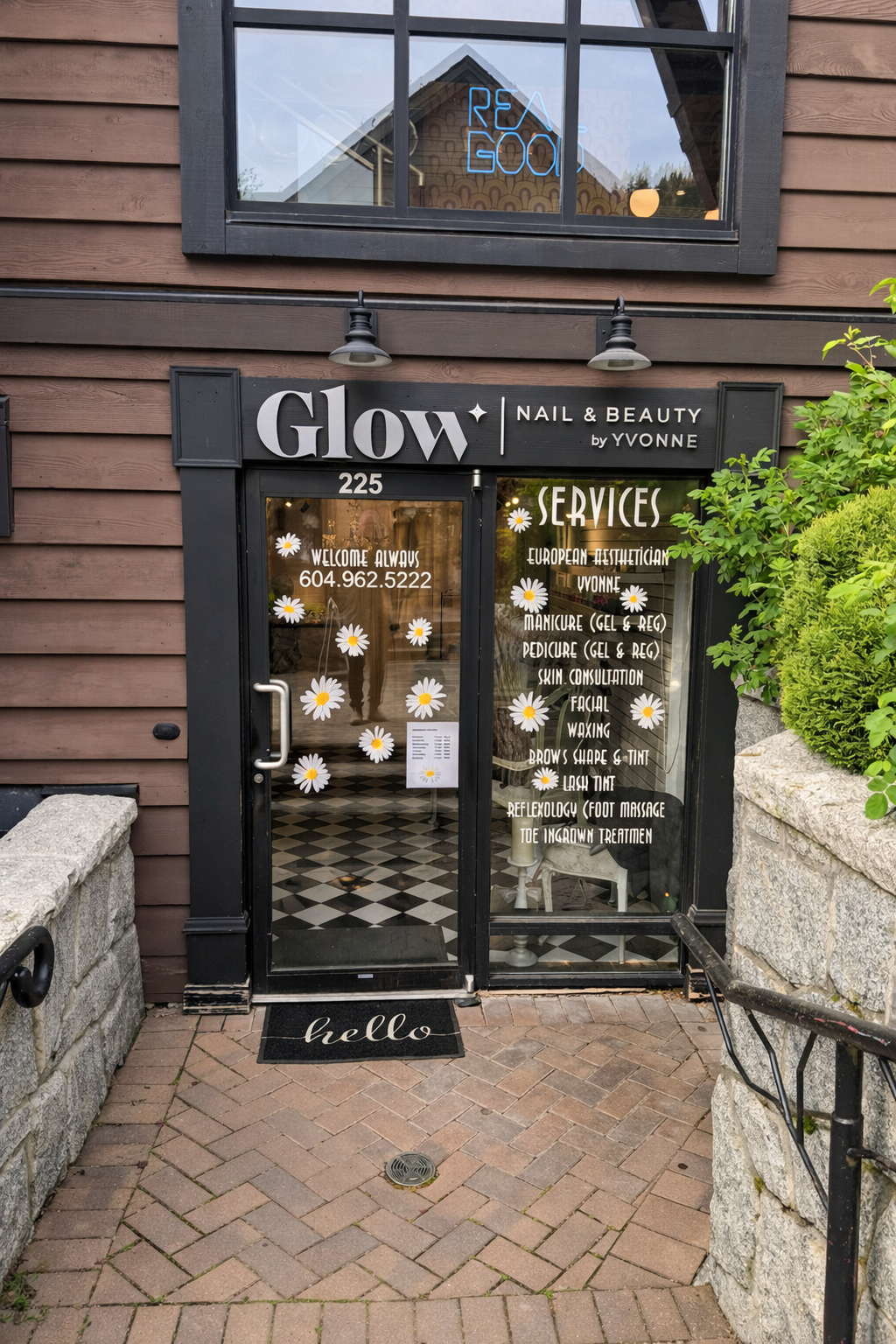

Businesses

Did you know that when a business changes hands, there's often real estate involved? And even when there isn't, a realtor who understands commercial markets can be an invaluable partner in the sale or acquisition of a business.

Whether you're an entrepreneur looking to buy an existing operation (skip the startup phase and buy something with customers already in the door!) or a business owner who has built something great and is ready to hand it off, having the right professional in your corner makes all the difference. A realtor can help assess the value of the business, manage confidential marketing, and connect buyers and sellers discreetly.

I currently has a business listed for sale - a great opportunity for the right buyer. See the listing here


Vacant Land & Lots

Raw land is one of the most misunderstood real estate assets out there. It doesn't have curb appeal. There's no kitchen to stage. But for the right buyer, a vacant lot can be a blank canvas and a seriously smart investment.

Realtors help buyers and sellers navigate:

- Infill lots in established neighbourhoods (perfect for builders or custom home buyers)
- Agricultural land for farming, hobby farms, or land banking
- Development land zoned for future residential or commercial use
- Recreational lots for cabins, retreats, or camping properties

Understanding zoning, permitted uses, and development potential requires expertise - exactly what a good realtor brings to the table.

Commercial Properties

From retail storefronts to office space to light industrial units, commercial real estate is a world unto itself and one where having a knowledgeable realtor can make or break a deal.

Whether you're a business owner looking for the right space to operate from, an investor seeking income-producing commercial property, or a landlord looking to lease or sell, commercial transactions have unique considerations around zoning, permitted use, and lease terms that a qualified realtor can help you navigate.

Multi Family / Investment Properties

Duplex. Triplex. Fourplex. If you've ever dreamed of being a landlord, multi-family properties are a fantastic vehicle for building long-term wealth. A realtor can help you analyze cap rates, rental income potential, and vacancy risks so you go in with eyes wide open, not rose-coloured glasses.

Recreational Properties

Cabin on the lake? Ski chalet? Waterfront retreat? Recreational properties come with their own quirks like seasonal access, septic systems, shoreline regulations, and more. A realtor familiar with recreational real estate will help you understand what you're really buying (and what you're signing up for come spring thaw).


Pre-Sale and Assignment Sales

In hot markets, buyers often purchase properties before they're built and sometimes those circumstances change before completion. Assignment sales (where you sell your right to purchase before taking possession) are a niche but important corner of the market. A realtor can help you understand if an assignment is even permitted, how to price it, and how to execute the transaction correctly.


The Bottom Line

Your realtor isn't just a home-finder. They're a real estate resource full stop. Whether you're buying, selling, investing, or just exploring what's possible, the right agent opens doors you didn't even know existed (sometimes literally).

Hi! I’m Olly.

My focus is on helping clients make smart, confident moves no matter what type of property is involved. From parking stalls to business sales to that vacant lot you've been eyeing.

Have a look at our listings here.

Can’t find what you’re looking for? Give me a shout and I’ll be happy to see what we can do.

Olly@wrec.com

604-938-4011

Thanks for reading!

Read

Phase 1 vs. Phase 2 - What Are They and What Buyer’s Should Know

If you've started browsing Whistler real estate listings, you've probably noticed something a little confusing: two properties in the same neighbourhood, similar in size and finish, but with a significant gap in price. Nine times out of ten, that gap comes down to one thing — Phase 1 vs. Phase 2 zoning.

It sounds technical, but once you understand what these two designations actually mean for your daily life, your flexibility, and your return on investment, the right choice for you becomes clearer.

Let's walk through it.


The Backstory.  Why Does Whistler Have These Covenants? 

Whistler isn't just a beautiful mountain town — it's one of the most visited ski resorts in North America, and the Resort Municipality of Whistler (RMOW) has worked hard over the decades to keep it that way. Part of that effort means ensuring a healthy supply of short-term tourist accommodation, so visitors can actually book a place to stay.

To achieve that balance, the RMOW places rental covenants on many of the condominium and hotel-style properties in Whistler Village, the Benchlands, and Creekside. These covenants are registered directly on title and are legally binding — they travel with the property, not the owner.

The two main designations are Phase 1 and Phase 2, and they define how much time you — as the owner — can spend in your own unit, and how the rest of the calendar is managed.


📍 Thinking about buying in Whistler? Browse current listings on ollydrealestate.ca → 


Phase 1 Properties: Maximum Flexibility, Full Control

Phase 1 is the more common of the two covenants, and it's the one most buyers gravitate toward when personal use is a priority.

The core rule is simple: as a Phase 1 owner, you can use your property as much as you like. There's no cap on personal days. You can live there year-round, use it as a weekend retreat every single week of ski season, or split your time between personal stays and nightly rentals however you see fit.

When you're not in residence, you have the choice to make the property available for short-term rental.  The nice thing is, you get to manage the rental your way. You can hire a local property management company, list on Airbnb or VRBO, or run bookings yourself. The rental income flows directly to you, minus any management fees you've agreed to.

Phase 1 buildings tend to be non-hotel condominiums and townhomes located throughout Whistler Village, the Benchlands, and Creekside. Think of complexes like Glacier Lodge, Powder Ridge, Blueberry, or Taluswood — residential-feeling buildings with a proper mountain home vibe.

In a nutshell, Phase 1 is for the buyer who wants Whistler to feel like their place — with the option to earn income from it when they're back in the city.

🏔️ Want to browse some neighbourhoods with Phase 1 and Phase 2 properties? Explore a few options below:

Explore Whistler neighbourhoods →
Whistler Village →
Creekside →
Benchlands →

Phase 2 Properties: Hands-Off Investment, Hotel-Style Living

Phase 2 is a different animal — and it comes with a very different lifestyle proposition.

These are the condo-hotel units: properties located inside (or attached to) Whistler's major hotel brands. We're talking the Westin Resort & Spa, the Pan Pacific, the Hilton Whistler, the Four Seasons, Nita Lake Lodge, and similar. When you buy a Phase 2 unit, you're buying a slice of a world-class hospitality operation.

The trade-off? Your personal use is capped at 56 days per year — 28 days during winter season (October 15 to April 15) and 28 days during summer season (April 16 to October 14). Beyond that, your unit must be placed into the hotel's rental pool and made available for guests booking through the hotel's own system.

Here's how the finances work: all rental revenue across the pool is collected and distributed to owners based on their unit's entitlement factor (sometimes called an Interest Upon Destruction or Unit Factor). The hotel management company takes a fee and handles everything: marketing, front desk, housekeeping, maintenance. You receive a monthly statement and a cheque. That's it.

For many investors, especially those who don't live locally or who travel frequently themselves, this totally hands-off model is attractive. No guest messages at midnight. No coordinating cleaners. No chasing reviews. The hotel runs it; you share in the revenue.

The flip side: you can't self-manage, you can't list on Airbnb, and you must book your own personal stays through the hotel's availability system, typically with restrictions on how far in advance you can book.

Phase 2 is for the investor who wants a premium address, a trophy asset in a world-class resort, and a truly passive income stream — and who's comfortable with limited personal use.

💼 Want to understand what returns actually look like?

Talk to Olly about Whistler investment properties →

The Price Difference — And What It Really Reflects

Here's where a lot of buyers do a double-take: Phase 2 properties are often less expensive than comparable Phase 1 properties.

Why? Because the market is pricing in the restriction on personal use. A Phase 1 owner has something incredibly valuable: the freedom to be in Whistler whenever they want. That freedom commands a premium.

A Phase 2 property might look like a bargain compared to a Phase 1 condo down the road. And in some ways it is — if your goal is pure investment return on a limited personal use schedule. But if you're picturing yourself spending ski weekends, school holidays, and summer hiking trips at your Whistler place, a Phase 2 unit will likely leave you frustrated when you can't book your own suite.

The price difference isn't random — it's the market accurately reflecting the lifestyle difference between the two.


Which One Is Right for You?

Everyone's situation is different, but here's a simple checklist to help you decide what’s right for you:

You're likely a Phase 1 buyer if:

  • You want to use your Whistler property regularly throughout the year

  • Flexibility matters more than passive management

  • You'd like to manage your own short-term rentals, or have a specific property manager in mind

  • You're looking for a place that genuinely feels like your mountain home

  • You're considering a future transition to full-time or part-time residency

You're likely a Phase 2 buyer if:

  • You're primarily an investor seeking a low-maintenance, hospitality-managed asset

  • 56 days of personal use per year is plenty for your lifestyle

  • You want a prestigious address — Four Seasons, Westin, Pan Pacific — at a lower price point than comparable Phase 1 inventory

  • You prefer the simplicity of a monthly revenue statement over self-managing guests

  • You're buying from overseas or out of province and want hands-off operations

🔑 Not sure which fits your lifestyle? Let's have a conversation →

A Few Things Worth Knowing Before You Buy

Regardless of which type you're drawn to, there are a few practical things every Whistler buyer should understand:

GST may apply. Both Phase 1 and Phase 2 properties are classified as commercial ventures for tax purposes. GST is typically deferred on purchase when you register for a GST number, but you'll want to speak with a BC accountant who specialises in resort real estate before you sign anything.

Review the Rental Management Agreement (RMA) carefully. Every Phase 2 building has its own RMA, and the details vary — management fees, booking windows, how owner stays are allocated. The fine print matters.

Tourism Whistler levies apply. As a nightly rental property owner, you'll pay annual Tourism Whistler fees — a relatively modest cost that funds the marketing that keeps visitor demand strong.

Strata fees are separate. Monthly strata fees cover building maintenance, insurance, and amenities — and they vary widely between buildings. Factor these into your cash flow projections.

Work with someone who knows the WLS. The Whistler Listing System (WLS) is separate from the provincial MLS — only agents with brokerages in Whistler or Pemberton have access. This is one of the clearest reasons to work with a local expert rather than importing your city agent.

The Bottom Line

Phase 1 or Phase 2 — neither is objectively better. They serve different buyers with different goals. What matters is that you go into the purchase with your eyes open, knowing exactly what the covenant on title means for how you'll actually use and experience the property.

Whistler is a genuinely special place to own real estate. Whether you're dreaming of a ski chalet you can call your own, a low-maintenance hotel investment, or something in between, the right property is out there — you just need to understand the landscape before you start shopping.

There’s always exceptions to every rule and that's what I'm here for - to guide you through the nuances. 

Olly Duquemin

Let’s Chat!

📬 Ready to start the conversation? Get in touch →
🏠 Or browse what's available right now: Whistler Listings →

Related Reading

Olly Duquemin
604-938-4011
olly@wrec.com

This post is intended as general educational information about Whistler real estate zoning. For advice specific to your situation, including tax implications, always consult a qualified BC real estate lawyer and accountant.

Read
Reciprocity Logo The data relating to real estate on this website comes in part from the MLS® Reciprocity program of either the Greater Vancouver REALTORS® (GVR), the Fraser Valley Real Estate Board (FVREB) or the Chilliwack and District Real Estate Board (CADREB). Real estate listings held by participating real estate firms are marked with the MLS® logo and detailed information about the listing includes the name of the listing agent. This representation is based in whole or part on data generated by either the GVR, the FVREB or the CADREB which assumes no responsibility for its accuracy. The materials contained on this page may not be reproduced without the express written consent of either the GVR, the FVREB or the CADREB.